MindMove
Automated Neurorehabilitation for Arm and Hand Therapy
Patients with neurological conditions such as stroke, multiple sclerosis, or traumatic brain injury often suffer from permanent limitations in arm and hand function. The statistics are sobering: only about 14% achieve full recovery during rehabilitation, while more than half remain permanently impaired.
These limitations massively impact independence and quality of life. The MindMove research project aims to solve this by developing a novel, automated rehabilitation system for grasping therapy that combines cutting-edge neurotechnology with robotics.
Bridging the Gap with Brain-Computer Interfaces
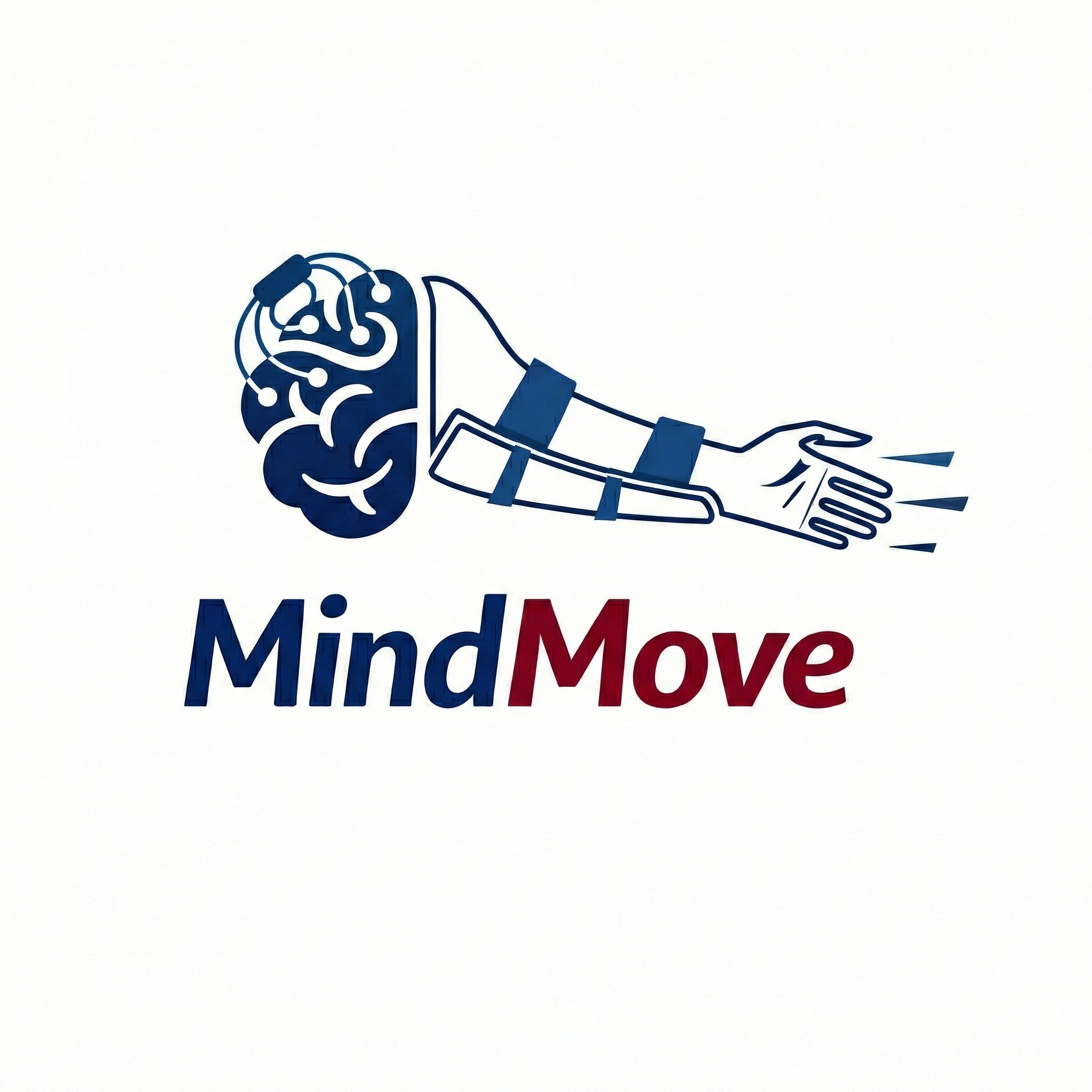
At the core of the project are Brain-Computer Interfaces (BCIs). These systems detect movement intentions directly from brain activity—enabling therapy even when patients cannot yet actively move their hands. The system synchronizes the detected brain intention with robotically assisted hand movements.
More Training, Fewer Barriers
Automated rehabilitation systems offer decisive advantages:
- Significantly higher repetition frequency of exercises.
- Objective measurement of training progress using machine learning.
- Relief for therapists, allowing them to focus on complex care.
This data-driven approach fills a critical gap in Germany's healthcare landscape, which currently lacks personalized digital solutions.
From Lab to Care
The ultimate goal is to create a patent-protected core technology available at a moderate price. Through an international distribution network, the solution is intended to reach rehabilitation centers, outpatient facilities, and eventually private households.